
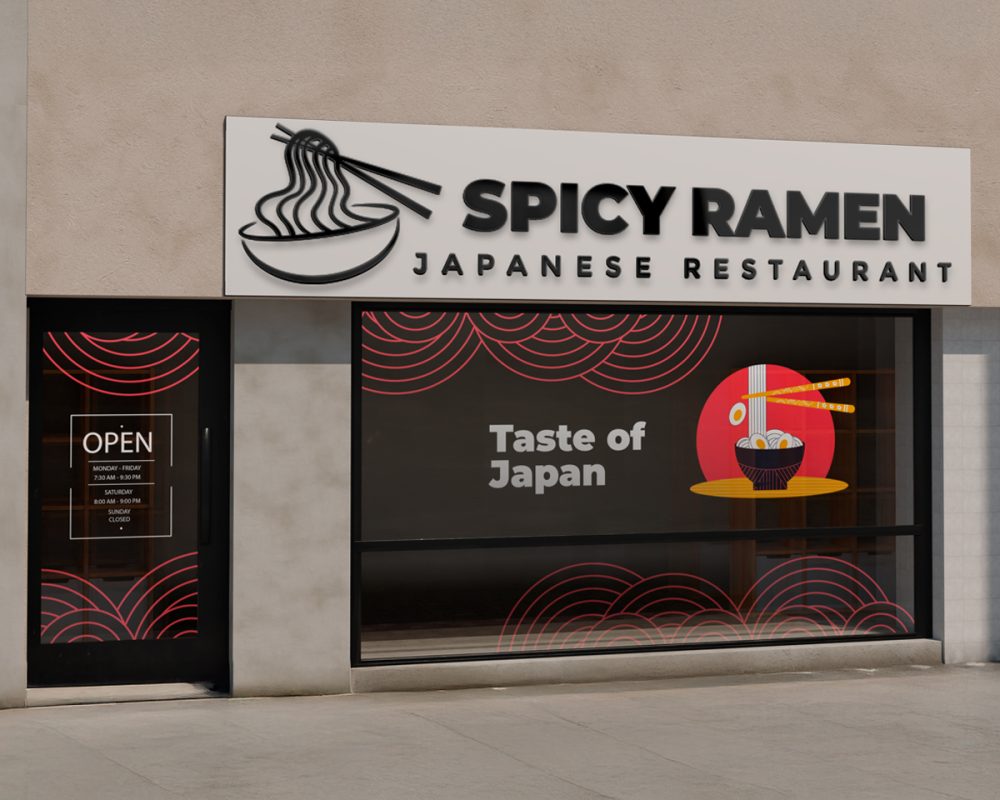
In business, your sign speaks before you do. Customers see your signage long before they talk to your team, look at your products, or visit your website. That’s why understanding the psychology of signage is crucial — because a sign silently forms opinions within seconds.
Why First Impressions Matter in the Psychology of Signage
Signage works just like a confident smile or firm handshake. In the first 3 seconds, your sign communicates:
- Your brand personality
- Your level of professionalism
- Whether your business is trustworthy
- Whether customers should walk in — or walk past
Humans process images hundreds of times faster than text. That means your storefront sign, window decals, banners, and lightbox signs begin speaking long before you ever do.
Table of Contents
What Good Signage Does for Your Business
Strong signage helps you:
- Attract attention from a distance
- Communicate your message instantly
- Show professionalism and quality
- Make your location memorable
- Build trust before a customer ever steps inside
The right combination of outdoor signs, channel letters, A-frame sidewalk signs, and interior signage creates a cohesive brand experience customers instantly recognize.
The Psychology Behind Signage
Signage is not decoration — it is strategy. The psychology of signage shows how visual elements shape customer behavior:
1. Color Creates Emotion
Bright colors spark energy; soft tones communicate luxury or calmness.
Example: Fast-food restaurants use red/orange to boost appetite.
2. Typography Creates Clarity
Readable fonts build trust. Poor typography creates confusion or doubt.
3. Layout Guides the Eye
Balanced spacing helps customers easily understand your message.
4. Materials Signal Quality
Acrylic, metal, aluminum composite, or illuminated signs convey professionalism and value.
How Poor Signage Hurts Your Business
Bad signs don’t just fail — they actively harm your business image. For customers, poor visuals suggest poor service.
Examples:
- Faded or peeling letters → signals neglect
- Incorrect info → signals disorganization
- Inconsistent branding → creates confusion
- Cheap materials → suggests low-quality service
Even if your products are excellent, bad signage creates doubt instantly.
The same applies online. If your physical signs don’t match the look of your website, customers lose trust quickly. Consistency is a core part of the psychology of signage.
How Strategic Signage Guides Customers
Think of signage as a silent guide leading customers through their journey:
- Outdoor signs capture attention
- Window decals build curiosity
- Floor graphics help with navigation
- Lobby signs reinforce trust
- Menu boards and posters influence buying decisions
Each sign works together to shape perception and behavior.
The Psychology of Signage in Branding
Your signage becomes the face of your brand. It should clearly reflect:
- Your logo
- Your colors
- Your tone
- Your values
- Your professionalism
When your physical and online branding match, people feel instantly more confident doing business with you.
Make Your First Impression Unforgettable
Every business has a story. Great signage makes customers stop and listen. At Sketch Signs, we design signs that don’t just look good — they speak for your brand.
According to research from the International Sign Association, over 60% of customers say signage influences their first impression of a business.
From window graphics and custom banners to channel letters and premium indoor displays, we create signage that leaves a powerful first impression.
📞 Need help choosing the right sign?
Contact us today — we’ll help you design signage that works psychologically and visually.
Signage FAQ
1. Why is signage important to businesses?
Because your sign speaks before you do. It builds trust, attracts attention, and shapes the customer’s first impression.
2. What types of signs are most effective?
Outdoor signs, window decals, banners, and lobby logos have the highest impact on visibility and trust.
3. How often should signage be updated?
Update when signs fade, peel, look outdated, or when your branding changes.
4. Does good signage need to be expensive?
Not at all. Strategic design + high-quality materials make even simple signs look premium.
5. Should signage match the website branding?
Yes — consistency strengthens recognition and trust. Your physical and digital branding should always align.